

In breve
Creando nel presente - attraverso un'azione diretta visionaria e vivendo i nostri valori - il mondo futuro che desideriamo vedere, possiamo sperimentare da soli come un mondo migliore non solo sia necessario ma possibile.
Beautiful Trouble è una cassetta degli attrezzi in continua espansione. Alcuni concetti (questo, per esempio!) sono solo riassunti. Contattateci per aiutarci a espandere questo pezzo!
You never change things by fighting the existing reality. To change something, build a new model that makes the existing model obsolete.
— Buckminster Fuller

Origini
Coined by American academic Carl Boggs in the 1970s and further applied to the women's movement by the British socialist-feminist writer Sheila Rowbotham. According to Boggs, the aim is to embody "within the ongoing political practice of a movement . . . those forms of social relations, decision-making, culture, and human experience that are the ultimate goal."

Principio chiave
You can go on about Utopia, about the better world you dream of, about how things could be different, until you’re blue in the face, and no one will pay any attention. You yourself might not even believe what you’re saying. But creating a lived experience of the change you seek (whether it’s a prophetic headline that for fifteen seconds you believe to be true, or an unlocked white bicycle leaning against a building that is free for anyone to use) is the best way to break through cynicism, stimulate our political imaginations, and affirm that, yes, another world is possible. After all, we can’t create a world we haven’t yet imagined. Better if we’ve already tasted it.
Esempi nel mondo reale

Brazilian land activists occupied a sprawling estate due to its ties with the country’s Vice President Michel Temer.
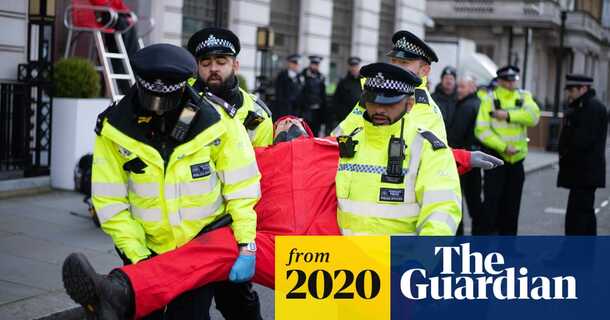
500 solar panels crowded BP’s London office, a prefigurative intervention to the climate crisis.