

In breve
Comunanza è un modo di nominare e descrivere la pratica quotidiana della convivenza in una collettività autonoma, al servizio di tutti, come praticata nelle comunità indigene di Oaxaca, in Messico.
Nella comunità non ci sono dichiarazioni individuali, solo conglomerati collettivi produttori di dichiarazioni comunitarie".
— Xtobako (Pablo Cruz), Yagavila, Oaxaca

Origini
Coniato da Floriberto Díaz, pensatore mixtec, e Jaime Martínez Luna, insegnante, antropologo e musicista zapoteco.
Comunalidad (communality) is an autonomous community expression of the life of the Zapotec peoples in the Sierra Norte region of Oaxaca, in southern Mexico, and of numerous other non-indigenous rural communities. Communal life in these places is not just a coercive connection to a territory, but the real and symbolic process of a community exercising its political autonomy.
Communal life takes place in a territory considered sacred, composed of people, nature and supernatural forces whose relations are based on myths and other ritually mediated narratives. This territory, as as a common good, is where one learns the sense of comunalidad, and the oral storytelling that describes it is what allows anyone to be able to understand and discuss issues related to the community.
The practice of comunalidad centers around four pillars of communal life: communal governance via the popular assembly; communal territory, or land held in common; communal celebration, or feast days; and communal work for the benefit of the whole. Comunalidad originates from the history of dispossession and extreme colonial exploitation of land, but its defense right now, as a form of production and life, stands as a real alternative of resistance against the new cycle of neoliberal capitalist accumulation.
Esempi nel mondo reale
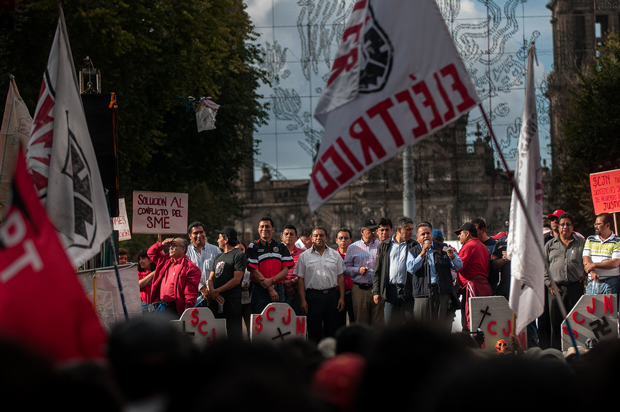
The education reforms are an attack on indigenous cosmologies that involve comunalidad and interculturarildad.