

In breve
Quando l’azione civile minaccia di deporre un dittatore, quel dittatore può provare a ingannare il popolo cedendo il potere a uno dei suoi collaboratori. Questa è nota come abdicazione, o "finta resa".
Beautiful Trouble è una cassetta degli attrezzi in continua espansione. Alcuni concetti (questo, per esempio!) sono solo riassunti. Contattateci per aiutarci a espandere questo pezzo!
Since mankind’s dawn, a handful of oppressors have accepted the responsibility over our lives that we should have accepted for ourselves.
— V for Vendetta

Origini
The coup d’Etat, literally “stroke of the State,” was first conceptualized in France in the 1640s. It was popularized in the late 18th century with the Coup of 18 Bromaire, which installed Napoleon Bonaparte as France’s First Consul, ending the French Revolution. The palace coup, more specifically, refers to the increasingly common 21st-century form of state capture, where a regime under pressure from a popular uprising, deceives civilian resistance by ousting its nominal leader but shifting power over to another one of its own. Control stays within the ruling palace and the economic and political elite.
Esempi nel mondo reale
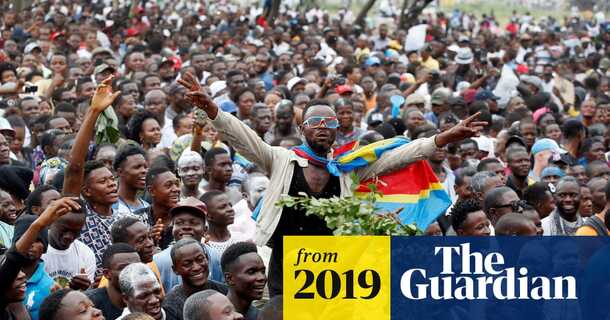
Facing dethronement, dictator Joseph Kabila engineered a power-sharing deal with a president less liked by Congolese citizens.

The army’s ousting of elected President Morsi was a part of the regime’s counterrevolution that began the same day Mubarak stepped down.