
Snapshot
Harness the power of stories to expose oppressive beliefs and show how another reality is possible.
A story communicates fear, hope, and anxiety, and because we can feel it, we get the moral not just as a concept, but as a teaching of our hearts. That’s the power of story.
— Marshall Ganz

Origins
Developed in the 2000s by the Center for Story-based Strategy (formerly smartMeme).
We live in a world shaped by stories that permeate our lives like threads, weaving the fabric of human cultures. A story can inform or deceive, enlighten or entertain. It wields the power to form our very reality.
A traditional power analysis gives organizers and activists an understanding of the relations and institutional dynamics among their allies and target decision makers. Performing a narrative power analysis using the Battle of the Story worksheet provides a framework to extend this understanding into narrative space—the intangible realm of stories, ideas, and assumptions that frame public perceptions of the situation and the players involved.
The Battle of the Story is based on the recognition that the currency of story is not truth, but meaning.
The battle of the Story is based on the recognition that the currency of story is not truth, but meaning. That is, what makes a story powerful is not necessarily facts, but how the story creates meaning in the hearts and minds of the listeners. Therefore, the obstacle to convincing people is often not what they don’t yet know but actually what they already do know. In other words, people’s existing assumptions and beliefs can act as narrative filters to prevent them from hearing social change messages. The Battle of the Story seeks to unearth the hidden building blocks of these pernicious narratives, so that a narrative of liberation can better challenge them.
For example, in a traditional power analysis, a group of neighbours organizing against a proposed commercial development might determine that the mayor and the city council are the ultimate decision makers and are influenced by the developers’ campaign contributions and by the opinions of voters in X precinct. Next, the group can build on that understanding by identifying the stories the developers are using to promote their agenda. This means carefully examining the developers’ narrative on its own terms: how do they frame the problem they say they are solving? Who are their messengers? How do they portray the community? What are their unstated assumptions?
To continue with the example, the developers may have framed their narrative around “bringing jobs to the neighbourhood.” Armed with clarity about the developer’s narrative, the neighbourhood group can now craft their own narrative and design a strategy to isolate the developer. Perhaps they decide to organize those same small business owners that the developer claims to represent. Perhaps they organize a jobs fair to show that there are other ways to create employment. If the developers are counting on a “You can’t fight City Hall” attitude, organizers make sure that their campaign narrative emphasizes how people power has won victories in the past. In short, the group challenges not just the economic and political forces they face, but also the narratives that back those forces up, that legitimize them and allow them to threaten their community.
Oppressive realities are rooted not just in oppressive economic and power relations, but in oppressive narratives. Our role as agents of change is to undermine these narratives and replace them with new stories that help build a fairer and freer world.
Originally published in Beautiful Trouble as THEORY: Narrative Power Analysis.

How to use
Print out the Battle of the Story (Narrative Power Analysis) worksheet.
Fill out the boxes in the middle column, answering the questions of the left column as though you are a propagandist for the bad guys.
Contrast these answers in the right column with notes about your own team’s counter-narrative.
Share the results of this worksheet with those organizing your campaign and solicit their feedback.
Use this narrative you have created to inform how your campaign frames the conflict, characters, imagery, and other aspects of the actions your team undertakes.
Real world examples
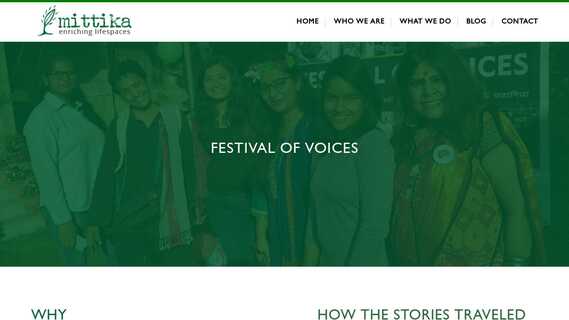
The Festival of Voices counters the singular dominant narrative concerning gender with polyphony. Women and youth to put forth their own stories.