

Snapshot
Putting pressure on authorities after activists are arrested can create a strong community of resistance, and help deter state violence and the persecution of activists.
If you want to know who your friends are, get yourself a jail sentence.
— Charles Bukowski
I have the people behind me and the people are my strength.
— Huey Newton
Political imprisonment has long been a standard repressive response from state authorities, particularly tyrannical regimes and authoritarian governments, to criminalize dissent, spread fear, break rebellions, and stop the growth of social movements.
Jail solidarity is a tactic for putting pressure on authorities after activists are arrested. By pushing for activists’ release, or, failing that, for decent treatment and protection from psychological and physical abuse, it seeks to create a strong community of resistance, based on mutual support and unity of purpose, that can act against harassment, false accusations, selective prosecutions, strategies of isolation and victimization, and other forms of persecution.
While revolutionaries can be imprisoned, the revolution can not.
The tactic can be applied in two interconnected ways: one, within the prison walls among arrested activists, and two, spanning those walls to connect prisoners with those on the outside who support them. The aim in the first case is to agitate for fair and equal treatment for all activists arrested, protect those who cannot afford to pay their way out of jail, and prevent abuses of the justice system, particularly those targeting the poor, youth, and minorities. Withholding names and other forms of identification, and collectively refusing any plea unless it helps to negotiate the dismissal or reduction of charges for everyone, are key components for this tactic to be effective.
In the second case, there are many ways people outside the jail can support prisoners, but visiting with care packages is often the most crucial. Care packages supply food and water for arrested activists, but also create a moment of interaction that often helps to facilitate legal, medical, psychological, social, and spiritual support. These visits have the additional purpose of ensuring the activists are being treated with dignity and are not being abused or tortured. It shows both the jailed and the jailers that there are people on the outside looking out for them, and that they will raise the alarm if they detect any abusive practices.
This public support is important because, if it’s organized, it can put massive pressure on the state to release the prisoners. During visiting hours, people can organize to show up all at the same time. By flooding the jail with visitors, organizers show the authorities that arresting activists will not stop them fighting for their causes. While revolutionaries can be arrested, the revolution can never be.
Jail solidarity breaks the fear barrier created by isolation, creates a community of support, and amplifies the message behind the original arrest, helping to raise issues that were invisible prior to the activist’s imprisonment. It undermines the state’s effort to silence dissent and transforms an otherwise unbearable incarceration into something bearable, even powerful.
Originally published in Beautiful Rising.

Key principle
Abuse of power thrives in the shadows. Sometimes the best way to ensure that the arrested or disappeared person is returned safely is simply to make as much noise as possible as early as possible, identifying the responsible party and ensuring that they will be held accountable for any abuses. Media coverage, phone banking campaigns targeting the responsible authorities, and international action appeals can all help to ensure the safety of those arrested, and help deter further violence.
Real world examples
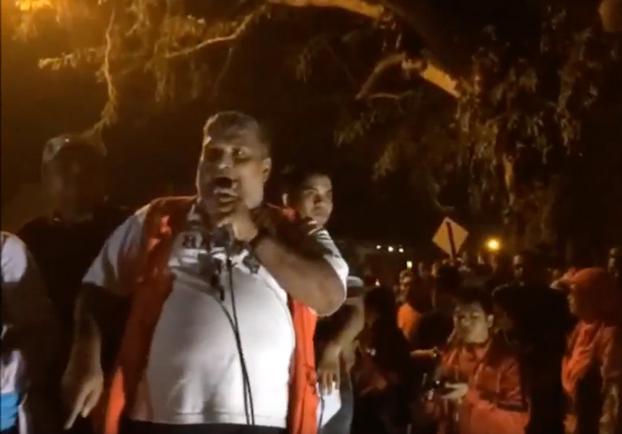
Hundreds of people gather outside the Jinjang police lockup in solidarity with Nurul Izzah Anwar.

A directory of support organizations for protestors at risk, compiled by the Vuka! Coalition for Civic Action.