

Snapshot
By choosing a strategic hashtag and curating the ensuing conversation, you can use Twitter and other social media platforms to shift the debate and expand your support.
With hundreds of millions of people around the world participating in social networks, activist storytelling strategies increasingly rely on hashtag campaigns to convene and drive conversations.
Wait, what is a hashtag? Twitter hashtags combine a “#” symbol and a keyword that connect posts from different authors (e.g., #BringBackOurGirls for discussion about the 200 Nigerian girls kidnapped by Boko Haram, or #Kony2012 to push for the arrest of indicted war criminal and International Criminal Court fugitive Joseph Kony, or #OWS for Occupy Wall Street). Posts that share a hashtag can be viewed together in a single place, facilitating an ongoing public conversation. And with no preset list of hashtags, Twitter is a democratic medium. You can create your own brand new hashtag at any time. #NowDoAHappyDanceToCelebrate.
The hashtag is a framing device that helps set the terms of the debate and clarify what’s at stake.
Hashtag campaigning is all about using hashtags to strategically frame, convene, and drive key conversations. A well-chosen hashtag will positively define the values associated with your political position, and draw more people to your side of the debate.
Typically, the hashtag that organizes a conversation is a highly polarizing proper noun that inspires people to pick a position in a discussion about it. For instance, in 2011, UK Uncut organizers started staging protests at Vodafone stores, organizing under the hashtag #UKUncut, to reframe the discussion about austerity to focus on corporate tax dodgers rather than public spending. The role of the organizer practicing hashtag politics is to polarize a discussion effectively, and then curate the conversation to make your side more compelling.
Your hashtag could be any number of things. Using [narrative power analysis]() as one guide, you could choose to polarize a discussion around a character in your story — either a sympathetic character (like the Nigerian girls seized by Boko Haram) or a villain (like Kony) — or perhaps a scene of conflict that locates the problem we must face (like Wall Street).
The hashtag is a framing device that helps set the terms of the debate and clarify what’s at stake. A well-chosen hashtag will positively define the values associated with your political position, and draw more people to your side of the debate.
Adapted from “Hashtag politics,” originally published in Beautiful Trouble.

Key theory
To win a campaign it’s critical to craft a winning frame. And to win in an increasingly socially mediated world, it’s increasingly important to strategically and proactively define the hashtag you wish to organize your campaign — and the associated social media conversation — around.
Real world examples
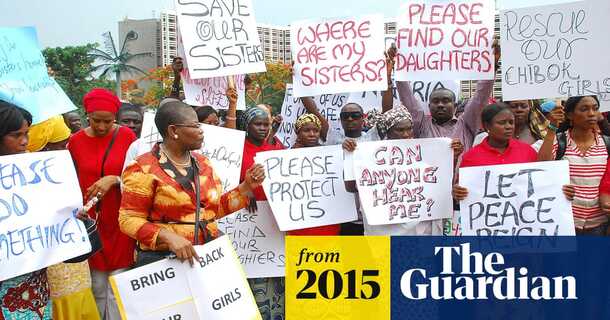
“The world united in outrage over the 276 girls abducted in Chibok by Boko Haram. But was it activism or clicktivism?”