
November 7, 2026 by Hannah Miller
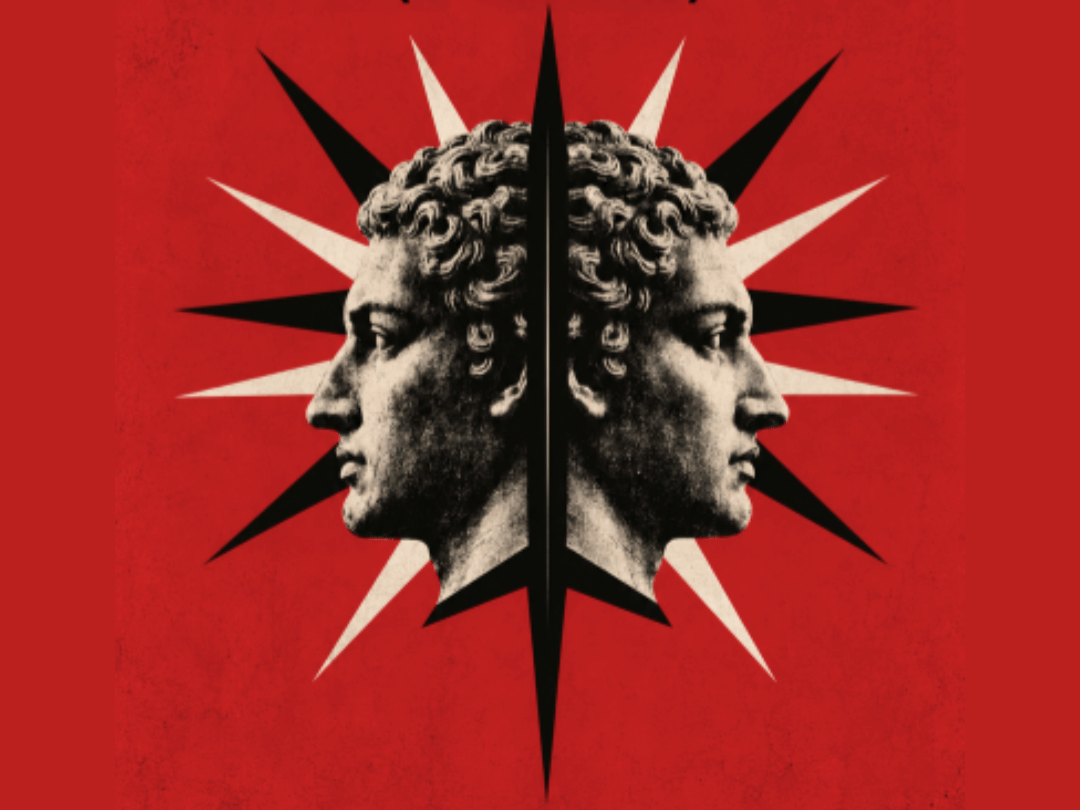
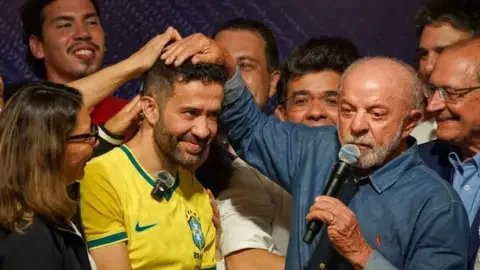
When Lula shocked the world by beating the odds and winning the second round of presidential elections in Brazil, the Exército do Lula (Lula’s Army), a WhatsApp-based mobilization network led by Brazilian congressman André Janones, stepped into the limelight as a major contributor to his win.
A succinct manual of their tactics began traveling the world, bolstering antiauthoritarian efforts in Argentina, France, Spain, the United States, and beyond.
It’s called “The Mini-Manual of Insurrection, or Janonism, and you can read it here.
Lula’s Army has a cutting-edge manual of tactics. Beautiful Trouble has a toolbox of time-tested strategies. We put them together to identify these 5 practical principles you can apply to your organizing strategies to become more effective.
Tactic 1: You don't have to own the megaphone to change what comes out of it.
Lula’s Army lesson: Content needs to travel. The manual emphasizes recognizable visuals, shared slogans, synchronized actions, and material that people want to circulate.
Beautiful Trouble’s lesson: Make documentation and media distribution part of the action plan. Read more in the Beautiful Trouble Toolbox here: Do The Media's Work For Them
What it looks like: Don't just announce an event and hope someone covers it. Make your action a ready-made news story. Prepare a media kit beforehand to give journalists, influencers, and community members the ingredients to tell a great story (strong, high-quality visuals, concise explanations, statistics). Send out a press release. Designate photographers/videographers to capture the action and then distribute the best footage and images while the story is fresh.
Tactic 2: 100K likes are nice. 100K taking action together is a movement.
Lula’s Army lesson: The manual explicitly argues that digital mobilization and street mobilization should reinforce one another. Online circulation publicizes physical actions, and physical actions create images and experiences that travel online.
Beautiful Trouble's lesson: Use the internet to coordinate small, simultaneous actions in different places, creating a sense of shared purpose without having to coordinate everyone gathering in one place. Read more in the Beautiful Trouble Toolbox here: Distributed Action
What it looks like: Work in a continuous loop. Share information and invitations online, host in-person actions, then go back online to document the event and encourage others to join the movement. This gives you the power to build visibility and people power simultaneously in the streets and online, vastly extending your reach.
Tactic 3: People don't show up for cool movement graphics. They do when a movement shows up for them.
Lula’s Army lesson: The manual emphasizes the importance of connecting political communication to everyday life and urges finding ways to address workers' needs, popular culture, community concerns, and material conditions.
Beautiful Trouble lesson: Direct service can demonstrate the values of a movement more convincingly than a thousand speeches. Read more in the Beautiful Trouble Toolbox here: Breakfast Is Persuasive
What this looks like: Build relationships by using the people power of your movement to respond to community needs. Resource fairs, free meals, childcare at organizing events, rides to public meetings, accessibility support, and practical workshops about issues affecting people's daily lives are all proven concepts for connecting movements with their communities.
Tactic 4: Political communication doesn't have to look political all the time.
Lula’s Army lesson: If you only preach to your choir, the congregation will never grow. The manual identifies music, humor, sports, entertainment, film clips, and popular culture as ways to reach beyond established political networks.
Beautiful Trouble lesson: A strong visual or interesting human story can sometimes do more for your movement than the most well-written political essay or impressive set of statistics. Read more in the Beautiful Trouble Toolbox here: Show Don't Tell
What it looks like: Don't just bandwagon the latest meme and slap your slogan on it. The key is to create something people will want to participate in or share on its own merits. A song, a funny video, a neighborhood photo project, sporting events, or collaborations with local artists can make any issue more approachable and memorable.
Tactic 5: An army waits for orders. A movement has to know how to move.
Lula’s Army lesson: The military metaphor of the movement’s name mocks the weakness of brittle organizations that depend on unquestioned instructions and central personalities. One of its core principles is that organizers can learn from the clarity of a shared action plan without turning volunteers into soldiers. The manual emphasizes the importance of coordination and rapid communication around the movement’s mission structure.
Beautiful Trouble’s lesson: Leadership should awaken the creative capacity of participants, not make the whole effort reliant on one commanding figure. Read more in the Beautiful Trouble Toolbox here: Enable, Don't Command
What it looks like: Create a central source of accurate information, establish clear communication channels, and make responsibilities easy to understand. Then give local teams the freedom to adapt actions to their own communities. Build leadership at multiple levels. Share skills. Make space for disagreement and feedback. Establish backup communication channels and transparent decision-making so that the network can keep functioning even if a person in a leadership position is unavailable.
Our toolbox and the Lula’s Army manual offers plenty of food for thought, but the real magic happens when organizers adapt these ideas to the messy, marvelous realities of their own communities.
Which tactics caught your attention?
Drop your takeaways in the comments!